
In 2024, the Cameroonian diaspora sent home more than $603 million, roughly 362 billion F CFA. Across the BEAC zone, mobile money transfers topped 557 billion F CFA in 2023, with Cameroon alone capturing over 75% of that volume.
These numbers tell a story of solidarity. They also hide a structural imbalance that few platforms talk about.
One Flow, One Direction
Nala, Sendwave, Taptap Send, LemFi: these apps built their success on speed and decent exchange rates for the diaspora. A transfer from Paris, Toronto, or Brussels lands in minutes on an Orange Money or MTN Mobile Money account in Douala or Yaoundé.
But the mechanics stop there. These platforms collect euros and dollars, convert them into F CFA, and pay out recipients. They don’t offer the reverse route. A Cameroonian entrepreneur who needs to pay a supplier in China, cover school fees in France, or invest abroad has no access to those same rails.
The result: foreign currency collected in the diaspora’s name never flows back to irrigate the local economy in hard currency. It stays captured by foreign intermediaries, and Cameroon’s monetary sovereignty pays the price.
What Two-Way Circulation Changes
IPERCASH built its infrastructure around this exact problem. The platform runs on blockchain and the USDC stablecoin (Base network) to move value in both directions: from the diaspora to Cameroon but also from Cameroon to abroad when the need arises.
In practice, a transfer works like this:
- The diaspora sends funds in euros or dollars, by card, SEPA transfer, or Google Pay.
- Funds are settled in USDC, making every transaction traceable on the blockchain.
- The recipient in Cameroon receives instantly in F CFA via Orange Money, MTN Mobile Money, or cash.
The service is free, with an exchange rate disclosed upfront. The FastTrack Mercury programme allows transfers up to €700 without full KYC, cutting friction for small, recurring transfers.
Why Traceability Matters
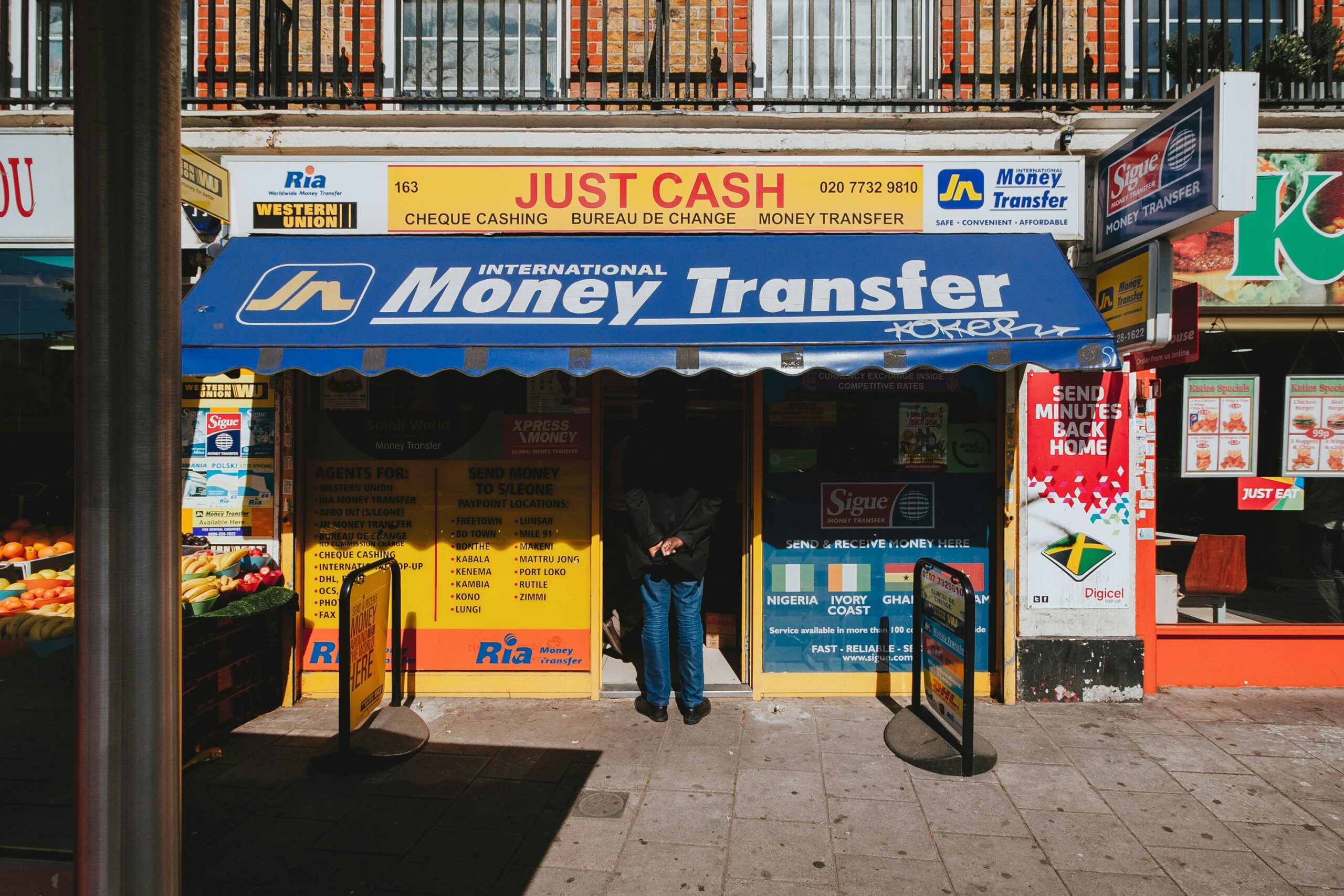
The comparison with traditional channels is stark. Western Union still charges 7 to 10% on some corridors. A standard bank transfer takes 3 to 5 days. Even mobile apps advertising « 0% fees » often make their margin on the exchange rate, invisible to the sender.
Blockchain changes one specific thing: every transaction is verifiable, with no hidden margin baked into the displayed rate. For a family sending €100 every month, that transparency has a direct impact on how much actually arrives at the other end.
Infrastructure Built for the Diaspora, Not Just From It
The distinction matters. Most players in this space treat the Cameroonian diaspora as a source of liquidity to capture. iPerCash flips that logic: the platform is designed so that value sent by the diaspora stays available to the local economy, with the option to circulate it back outward when a real need exists (supplier payment, school fees, investment).
That’s an infrastructure choice, not a marketing slogan. And in a market where African remittances exceed $100 billion a year according to the World Bank, this kind of two-way mechanism remains rare.
Bottom Line
The market for money transfers to Cameroon has improved a lot in recent years on speed and cost. It’s still built one way, though. iPerCash offers an alternative that treats Cameroon and its diaspora as two ends of the same economic circuit, not just a starting point and a destination.
To send money to Cameroon with iPerCash, visit ipercash.com.